

Sailing from San Blas to Colombia: What to Know Before You Book
The 4-to-5-day boat trip to Colombia, sailboat vs. speedboat, and how the border crossing actually works
Beyond staying in San Blas itself, there's a well-established way to keep heading south by boat instead of flying: island-hopping through the archipelago and on into Colombia. What that trip actually looks like depends heavily on which kind of boat you book. A sailboat sails you through San Blas and across open water directly into Cartagena. A speedboat hops along the coast and ends the organized part of the trip at the Colombian border town of Capurganá, not in Cartagena itself. The two get lumped together in a lot of listings, but they're genuinely different trips: different routes, different endpoints, and a different immigration process. Worth going into with clear eyes on all of that.
What the Trip Actually Involves
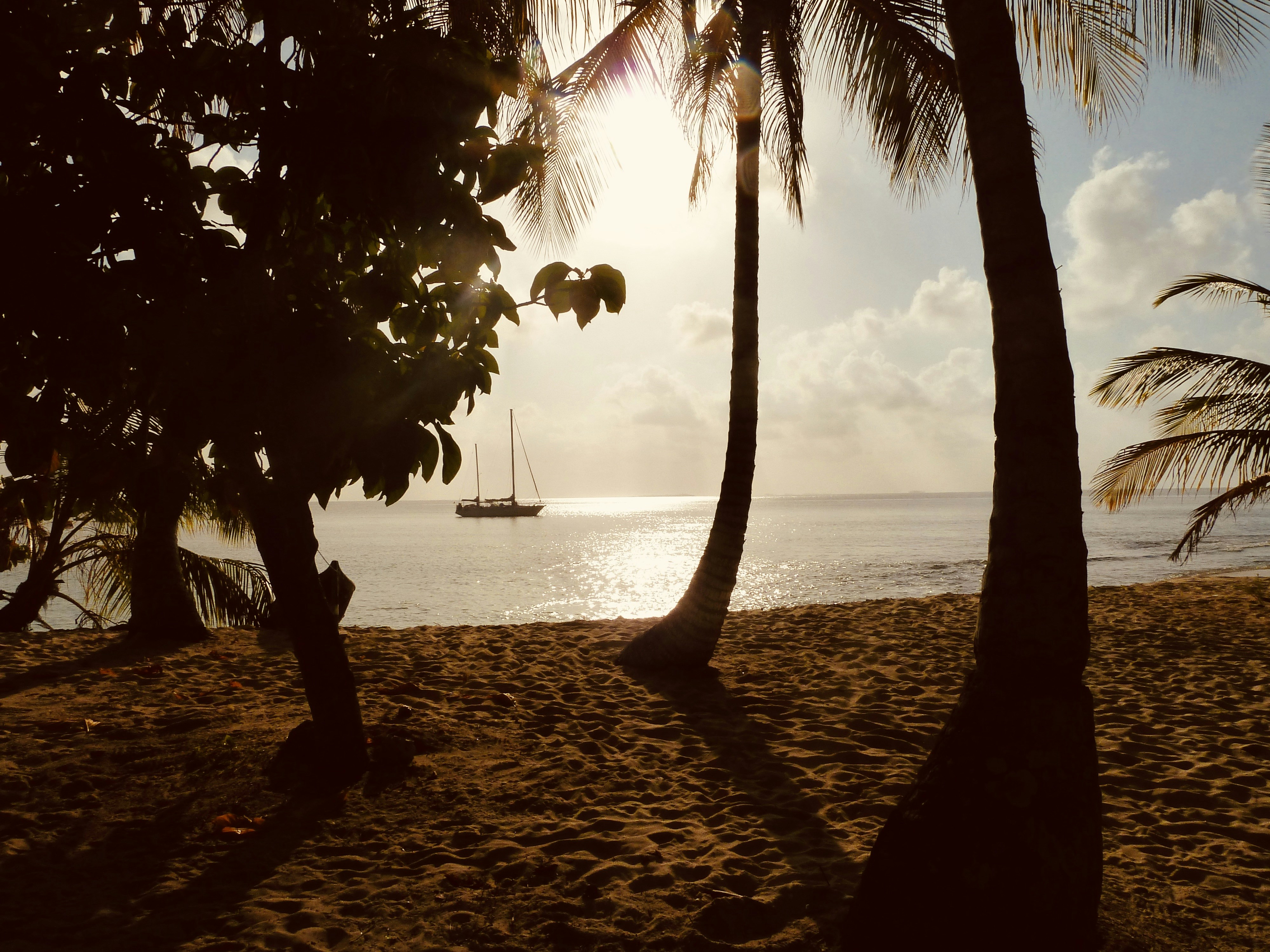
Most sailboat operators run it as a 4–5 day, 3–4 night trip: a couple of days anchored among San Blas islands for swimming and snorkeling, then one long open-water crossing, sometimes overnight, sometimes closer to two full days, straight to Cartagena. Speedboats run a different route entirely: island-hopping close to the coast over about 4–5 days, but with only a few hours of actual boat time. There's no open-water crossing, and the organized part of the trip ends in Capurganá or Sapzurro, just over the Colombian border, not in Cartagena. Getting from there to Cartagena itself means an extra bus, boat, or flight connection that most listings don't mention upfront.
| Sailboat | Speedboat | |
|---|---|---|
| Route & endpoint | Through outer San Blas islands, then a direct open-water crossing to Cartagena | Coastal island-hopping close to shore, ends in Capurganá/Sapzurro, a Colombian border town, not Cartagena |
| Typical length | 4–5 days / 3–4 nights | 4–5 days, but only around 8 hours of actual boat time |
| Getting to Cartagena | None needed, you step off the boat in Cartagena | An extra bus, boat, or flight from Capurganá/Sapzurro |
| Accommodation | Onboard, in a cabin or bunk | Hammocks or basic huts in Guna villages, plus a night camping on an island |
| Typical cost | Roughly $500–$775 per person, food included on most trips | From around $545 per person, food and village stays included, plus onward travel to Cartagena |
Getting Through Immigration
Whichever boat you take, you need a Panama exit stamp and a Colombia entry stamp, and it's on you to make sure both actually happen, not just assume they will. The requirements are the same either way: a valid passport, no entry fee for most nationalities staying under 90 days (Canadians are a common exception and pay a reciprocity fee for Colombia), and a yellow fever vaccination that's recommended but not always checked, unless you've recently been in a country like Brazil where it's mandatory. It's worth carrying two or three photocopies of your passport's photo page as well.
On most organized sailboat trips, the captain or crew handle both stamps directly: they collect passports, arrange the Panama exit stamp while you're still among the islands, and sort the Colombia entry stamp once you dock in Cartagena, usually at the Manga anchorage. You mostly just hand over your passport and wait.
The speedboat route is more hands-on. Some tours handle the Panama exit stamp for you; if you're arranging things independently, get it sorted at a Panama migración office before you leave, since there's no exit checkpoint along the coastal route itself. On the Colombian side, you'll need to go in person to the immigration office in Capurganá to get your entry stamp, ideally soon after you arrive, before it closes for the day.
Good to Know
Whichever route you take, check your own passport before you leave the boat or the border town: confirm both stamps are actually there. A missing one can cause real problems later, at your next border, or when you eventually leave Colombia.
Worth Knowing Before You Book
These boats, sailboats especially, are heavily marketed to the backpacker circuit as a party crossing, and that reputation is largely earned. Drinking is a big part of the culture on many of them. San Blas is Guna territory, not a nightlife venue. Many of the Guna communities these boats pass through and anchor near, or stay overnight in on the speedboat route, are quiet and reserved. Travel with real respect for that: keep noise and behavior in check near communities, and take every bit of your trash with you. Waste management in the islands is extremely limited, and litter left behind doesn't disappear the way it would somewhere with regular collection.
None of that means skip it. Plenty of operators run a genuinely good, respectful trip. The route itself, sailing through San Blas before an open-water crossing, or hopping along the coast through Guna villages, is spectacular either way. It's worth choosing an operator on more than just the lowest price. Go in with the right expectations about what kind of place you're passing through.
Is It Right for You?
The sailboat is a good fit if you're already heading to Colombia next and want to turn the transit into an experience instead of a flight, and you're comfortable with an open-water passage that can get rough. It's a poor fit if seasickness is a real concern. The speedboat suits people who'd rather stay close to shore and spend more time in Guna villages than at sea, and who don't mind arranging an extra connection onward to Cartagena afterward. Either way, it's a poor fit if you want more than a couple of days properly in San Blas itself, since an island stay or a local charter gives you far more time in the islands for the same or less money. And neither is for you if a lively, drink-heavy boat culture isn't what you're looking for.
San Blas to Colombia Boat Trip — FAQ
Frequently Asked Questions
🍪 Cookie Notice
We use cookies to improve the KUNO guide experience and understand how visitors use the platform. Privacy Policy